Automated Removal of Uncrushable Materials
Seeking solutions to automatically remove uncrushable materials from secondary crushing circuit.
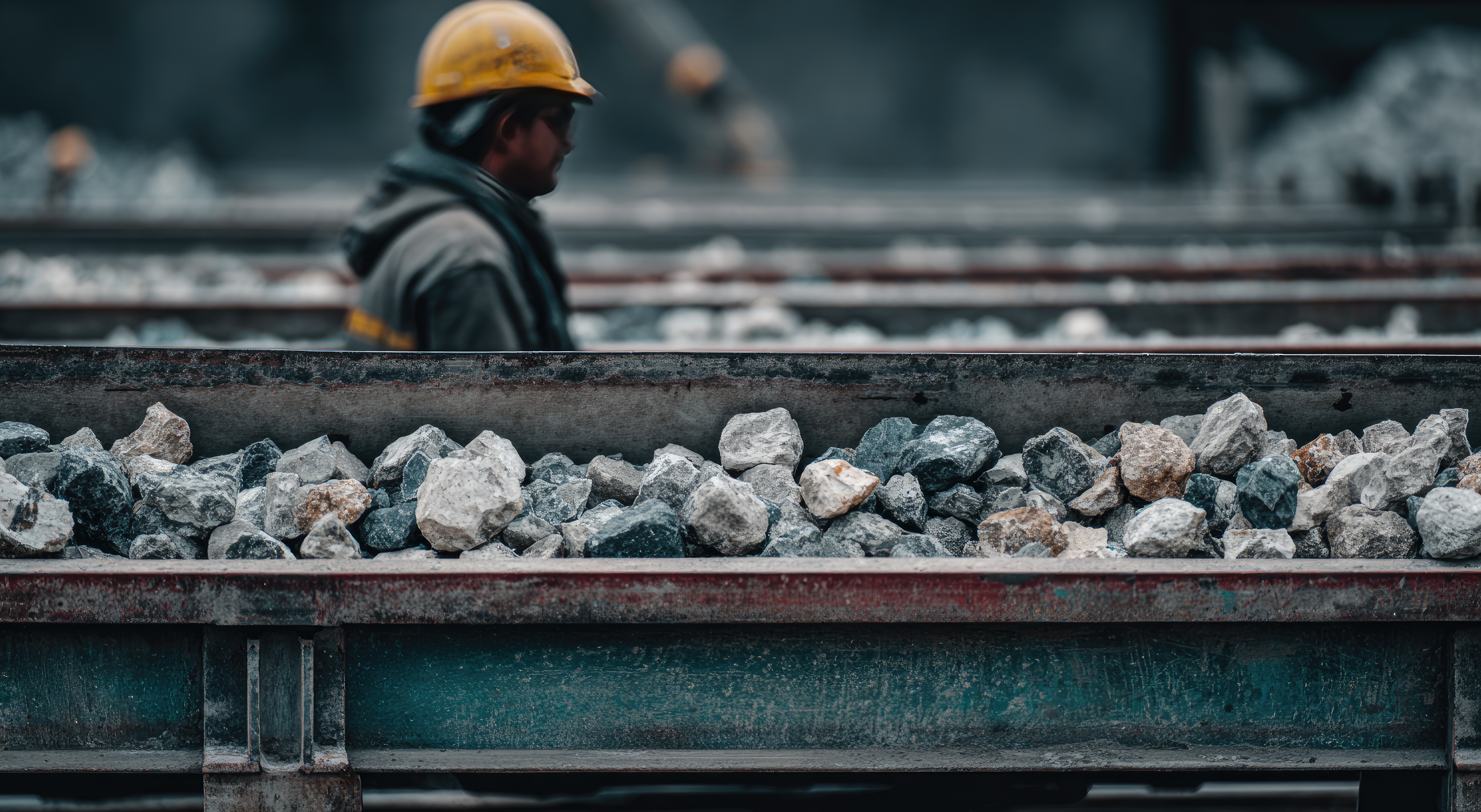
Alpayana is a Peruvian mining group specialised in underground mining, producing zinc, lead, copper and silver, with four mining units in the central highlands of Peru: Americana, Yauliyacu, Iscaycruz and Morococha.
Alpayana is seeking smart solutions to automate the removal of uncrushable materials at their Americana Mining Unit, an underground polymetallic mine that produces zinc, copper, lead and silver. It is located in the province of Huarochirí, north of Lima, at an altitude of 4,600 meters above sea level.
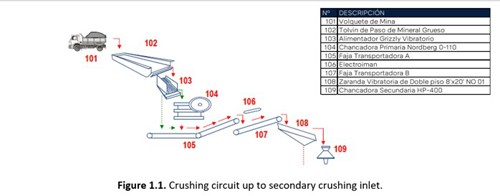
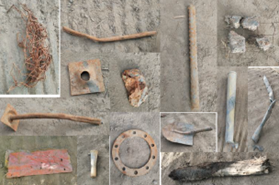
Each day, approximately 500Kg of uncrushable materials enter the secondary crushing circuit (107), equivalent to the volume of a loaded dump truck, causing blockages and mechanical damage to the secondary crusher. These objects correspond to 17 different types of materials, grouped into the following classification:
- Metals: bolts, plates, pipes, wire mesh, shovels.
- Wood: support elements.
- Plastics and rubber: pipes and ventilation ducts.
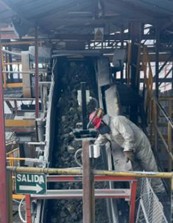
The visual identification and removal of these materials are currently carried out by an operator working on an eight-hour shift. This manual process carries a high risk of human error, particularly under conditions of low visibility or high ore load.
Identified consequences:
- Prolonged operator exposure to hazards and fatigue.
- 10% reduction in mechanical availability.
- At least 12 unscheduled downtime incidences per month.
Currently, the concentrator plant is working with two complementary technologies for the detection of uncrushable materials within the process:
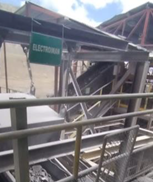
1. Electromagnetic Detection
- Installed on Belt A (105), 30 cm above the conveyor belt.
- It detects metallic materials and alerts the operator, who then manually activates Belt B (106).
- The electromagnet is not connected to the control system and therefore does not perform automatic actions (belt detection or blocking signal).
- Its operation is isolated and dependent on the operator.
2. Detection via video analytics
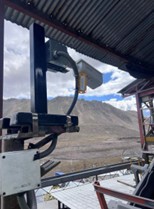
- A video system is implemented at the beginning of Belt B (106), where a camera connected to the local network captures the conveyor belt in real time.
- The video is sent to a local server, which processes the images using artificial intelligence algorithms, identifying uncrushable materials.
- Upon detecting an object, the system generates an alert that is transmitted to the control system, activating a logic signal that simulates stopping the belt. As the project remains in the testing phase, the conveyor belt is not physically stopped. Instead, the signal that would normally initiate the stop is captured and monitored, allowing Alpayana to observe and evaluate the system’s response as if the belt were actually halted.
- This system is already partially integrated into the plant control system, forming the basis for the complete automation of uncrushable material removal.
While both technologies have enabled advances in detection, the process of removing uncrushable materials remains manual, creating operational risks and losses resulting from unscheduled downtime.
The objective is to fully automate the removal of uncrushable material after its detection via video analytics, eliminating manual intervention in the process. This improvement will optimise the operational continuity of the crushing operation and significantly reduce the operational risks associated with manual handling.
Expected results:
- Eliminate unscheduled downtime caused by uncrushable material and manual intervention.
- Restore the 10% mechanical availability currently affected in the secondary crusher.
- Reduce safety risks by eliminating direct operator exposure to hazardous areas.
- Optimize the operational continuity of the crushing operation by preventing interruptions due to blockages or mechanical damage.
- Reduce operating and maintenance costs associated with manual intervention and unplanned repairs.
Technical criteria:
- Integration with the company's control systems and IT platforms.
- Scalability to other mining units.
- Robustness to operating conditions such as dust, humidity, vibrations, frost, and low light.
Limitations or special considerations:
- The project is planned as a pilot program with an estimated duration of 2 to 4 months.
- The supplier must have knowledge of mining operations, its key performance indicators (KPIs), and the connection to the internal network.
- The implementation must integrate seamlessly with the existing system without requiring changes to the crushing operation.
- The technology must be at a Technology Readiness Level (TRL) between 6 and 10.
Phase 1 - Submission Period
Suppliers are invited to submit their short-form solution to the challenge by Wednesday 18 February 2026 for evaluation by Austmine and Alpayana.
The solution submission questions can be viewed here.
A shortlisting process takes place and successful suppliers are invited to participate in phase 2.
Phase 2 - Evaluation Period
Shortlisted suppliers will be invited to a technical briefing, where each supplier will be able to gain more information about the challenge from Alpayana. This will allow you to refine your proposed solution prior to the Pitch Session.
Following the technical briefing, suppliers will pitch their solution directly to Alpayana online via Teams breakout rooms. This provides the opportunity to ‘sell’ your solution, gain feedback from operational teams and field questions about the solution.
Phase 3 - Full Proposal Submission
Following the Pitch Session, a final shortlisting of supplier(s) takes place. The remaining suppliers are invited to submit their formal technical and economic proposals.
Winner Announced
Alpayana will select the best fit solution(s) for the challenge. Unsuccessful submitters are notified in writing by Austmine.
Submission deadline - Thursday 19 March 2026
Shortlisted Suppliers Notified - early April 2026
Technical briefing - April 2026
Pitch sessions - April 2026
Final proposal deadline - May 2026