Improving Flotation Efficiency
Smart models are required to improve flotation efficiency.
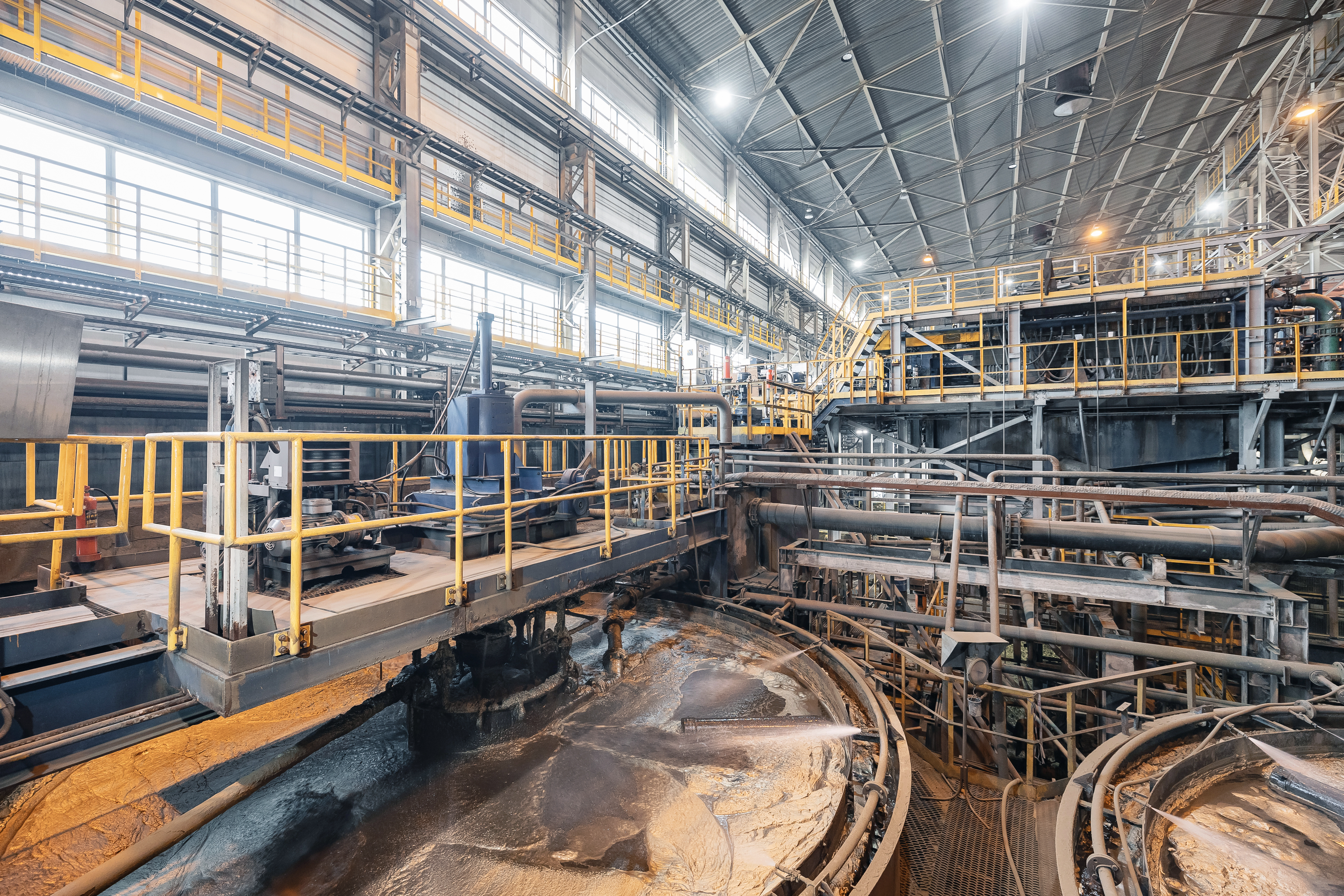
Gold Fields’ Cerro Corona operation is located in northern Peru, in the Cajamarca Region. It operates an open pit mine and a copper-gold flotation processing plant.
The Cerro Corona operation faces challenging mineralogical conditions stemming from progressive mine closure and upcoming processing of low-grade stockpile ore with a high level of alteration.
The challenging mineralogical conditions generate operational uncertainty, necessitating the optimisation of metallurgical recovery processes (flotation circuit).
Currently, a robust instrumentation and control system is in place, providing the necessary infrastructure for intelligent solutions. However, a tool integrating all circuit systems and variables into a dynamic and predictive model is not yet available.
Identified consequences:
Recovery loss: projected reduction of 5–7% in copper and up to 10% in gold.
Currently, the following instrumentation and control systems are operational:
- Industrial control systems implemented in the flotation process.
- An operational expert system, responsible for regulating airflow and cell levels to optimize foaming speed.
- Laboratory and large-scale testing, varying the dosage ratios of collectors in the Rougher circuit.
A machine learning-based recommendation system is currently in the testing phase that complements the current expert system by adding reagent management. This solution is being implemented in the Rougher circuit.
Reference: The float cycle is shared at the following link.
The goal is to develop an intelligent system capable of analysing and providing real-time control recommendations for operating variables throughout the entire flotation circuit, including its Rougher, Scavenger, and Cleaner stages, while integrating existing instrumentation and control systems. The system must be user-friendly for those involved in the operational routine.
Technical criteria:
- Integration of the model with existing control systems (DCS/PLC) and the current expert system.
- Incorporation of real-time analysis using sensors, possibly Courier analysers and ML systems.
- Dynamic simulation capabilities and automatic adjustment of parameters such as airflow, dosage, cell levels, and others.
- Scalability for use in other metallurgical processes and future replicability in other operations.
Limitations or special considerations:
- The project is planned as a pilot program with an estimated duration of 3 months.
- Openness to change is required from the operational staff, given that the proposed solution will directly impact flotation operating routines and real-time decision-making.
- The performance of the Courier analyser, while providing valuable real-time measurements for dynamic models, does not always show a strong correlation with laboratory chemical tests. This gap creates uncertainty in model calibration and automated decision-making.
- The lack of equipment calibration, especially reagent dosing pumps, produces variations that affect the process by introducing noise into the data used for model training and deployment. While this risk can be mitigated through preventive maintenance, it is important to consider it as a potential limiting factor.
- Lack of mineralogical traceability hinders the development of predictive strategies.
- The technology must be at a Technology Readiness Level (TRL) of at least 7.
Phase 1 - Submission Period
Suppliers are invited to submit their short-form solution to the challenge by Wednesday 18 February 2026 for evaluation by Austmine and Gold Fields.
The solution submission questions can be viewed here.
A shortlisting process takes place and successful suppliers are invited to participate in phase 2.
Phase 2 - Evaluation Period
Shortlisted suppliers will be invited to a technical briefing, where each supplier will be able to gain more information about the challenge from Gold Fields. This will allow you to refine your proposed solution prior to the Pitch Session.
Following the technical briefing, suppliers will pitch their solution directly to Gold Fields online via Teams breakout rooms. This provides the opportunity to ‘sell’ your solution, gain feedback from operational teams and field questions about the solution.
Phase 3 - Full Proposal Submission
Following the Pitch Session, a final shortlisting of supplier(s) takes place. The remaining suppliers are invited to submit their formal technical and economic proposals.
Winner Announced
Gold Fields will select the best fit solution(s) for the challenge. Unsuccessful submitters are notified in writing by Austmine.
Submission deadline - Thursday 19 March 2026
Shortlisted Suppliers Notified - early April 2026
Technical briefing - April 2026
Pitch sessions - April 2026
Final proposal deadline - May 2026